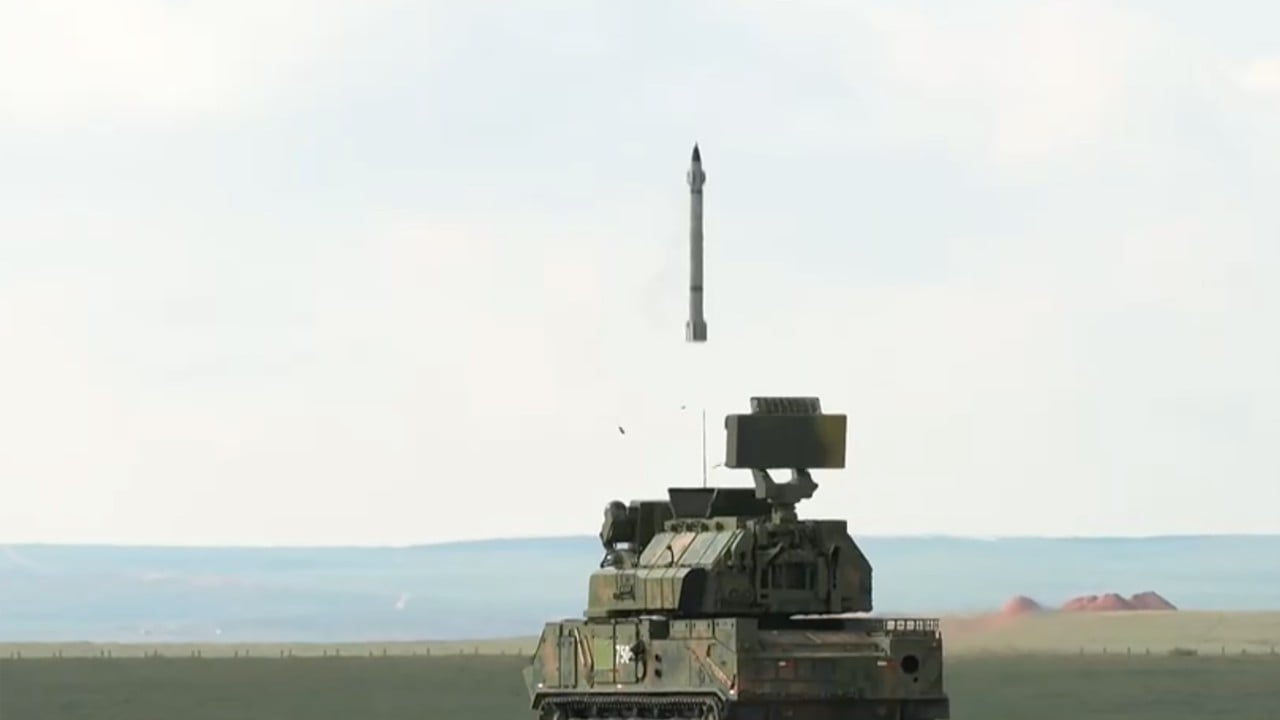
Could Beijing’s HQ-17 air-defence system defend PLA amphibious forces from Taiwan strikes?
ARCHIVED ENTRY · This entry has left the rolling feed. Its original date, sources, votes, and conversation remain available. Browse the archive
Before mainland Chinese troops could attempt a landing on Taiwan, they would first have to assemble vehicles, weapons and supplies along the coast – potentially exposing them to Taiwanese drone, rocket and missile attacks. A nighttime drill reported by state broadcaster CCTV on June 11 offered a glimpse of how the People’s Liberation Army could shi
Conflict or security reporting can have direct implications in the affected area and indirect effects on travel, transport, energy, or supplies elsewhere. Those wider effects require evidence; they do not follow automatically from a dramatic headline.
conflict and security
Practical implications
Check primary official notices and reliable reporting for the named locations and time frame. Review whether there is a specific travel, service, or supply consequence relevant to existing plans.
What remains uncertain
This rule-based assessment uses only the supplied headline, summary, and tags. It does not independently verify the report, determine severity, or confirm that the reader’s location is affected.
Generated from the supplied headline, publisher summary, and tags. Built-in rules suggest possible preparedness implications; they do not independently verify the report. How context is prepared
WATCHER CONVERSATION
Discussion 0
Add useful context. Replies stay with the comment they answer.
No comments yet. Start the conversation.
Could Beijing’s HQ-17 air-defence system defend PLA amphibious forces from Taiwan strikes? | Critical Threat Watch
No comments yet. Start the conversation.