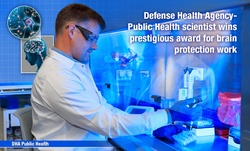
Defense Health Agency-Public Health scientist wins prestigious award for brain protection work
The Department of War selected neurobiologist Jeffrey Koenig for a prestigious science award, providing him a three-year, $465,000 grant. This funding will build an advanced brain-safety testing platform. By using human cells rather than live animals to screen chemical threats, the new platform will deliver a faster, more accurate way to protect se
This is research or technology background. Its preparedness relevance depends on whether it changes the reliability, availability, or safe use of something a household or organization actually relies on. A study, demonstration, or product announcement does not establish a current emergency or a finished capability.
research context
Practical implications
Check what was tested or announced, the limitations, and whether the capability is actually available. Identify a specific dependency before changing equipment or service plans.
What remains uncertain
This rule-based assessment uses only the supplied headline, summary, and tags. It does not independently verify the report, determine severity, or confirm that the reader’s location is affected.
Generated from the supplied headline, publisher summary, and tags. Built-in rules suggest possible preparedness implications; they do not independently verify the report. How context is prepared
WATCHER CONVERSATION
Discussion 0
Add useful context. Replies stay with the comment they answer.
No comments yet. Start the conversation.
Defense Health Agency-Public Health scientist wins prestigious award for brain protection work | Critical Threat Watch
No comments yet. Start the conversation.