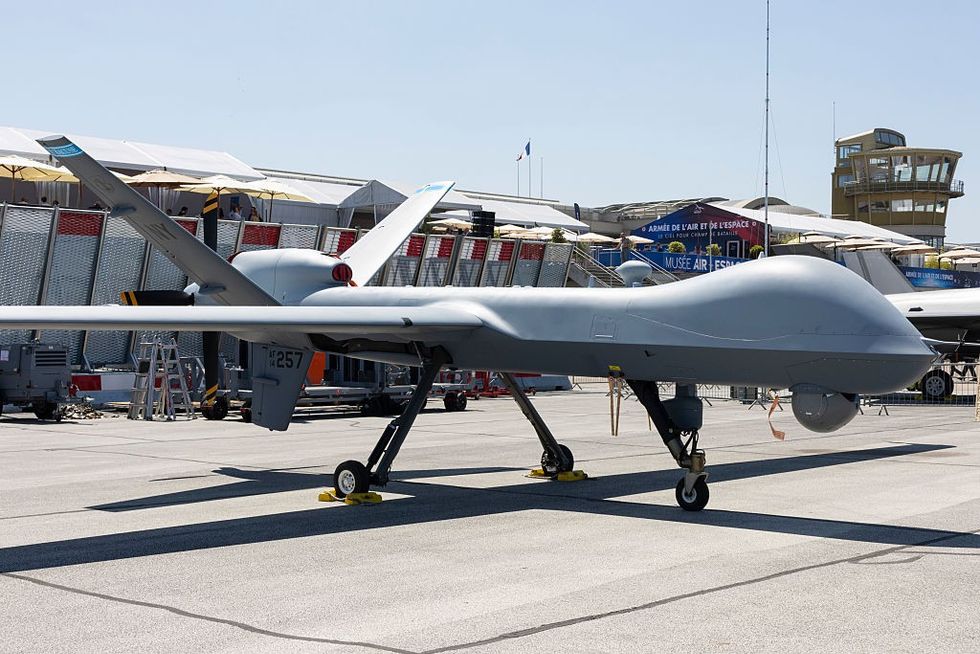
America Invented the Drone War, So Why Is It Falling Behind?
One mainstream document that called the United States’ sluggish reaction to this Revolution in Military Affairs (RMA) (and did so five years ago) was Christian Brose’s 2019 article in Foreign Affairs , “ The New Revolution in Military Affairs: War’s Sci-Fi Future .” Brose’s bottom-line was the following: “Artificial intelligence, autonomous systems
Conflict or security reporting can have direct implications in the affected area and indirect effects on travel, transport, energy, or supplies elsewhere. Those wider effects require evidence; they do not follow automatically from a dramatic headline.
conflict and security
Practical implications
Check primary official notices and reliable reporting for the named locations and time frame. Review whether there is a specific travel, service, or supply consequence relevant to existing plans.
What remains uncertain
This rule-based assessment uses only the supplied headline, summary, and tags. It does not independently verify the report, determine severity, or confirm that the reader’s location is affected.
Generated from the supplied headline, publisher summary, and tags. Built-in rules suggest possible preparedness implications; they do not independently verify the report. How context is prepared
WATCHER CONVERSATION
Discussion 0
Add useful context. Replies stay with the comment they answer.
No comments yet. Start the conversation.
America Invented the Drone War, So Why Is It Falling Behind? | Critical Threat Watch
No comments yet. Start the conversation.