CNRH Navy Wounded Warrior Program Helps Sailor Experiencing PTSD
ARCHIVED ENTRY · This entry has left the rolling feed. Its original date, sources, votes, and conversation remain available. Browse the archive
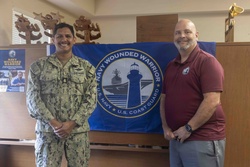
When Navy Counselor 1st Class Ronald Kaopuiki, who is assigned to Navy Talent Acquisition Group (NTAG) Pacific, started experiencing Post Traumatic Stress Disorder (PTSD) symptoms, he tried to manage them on his own. A demanding work environment required all his attention, enabling him to suppress negative thoughts and emotions. “It helped me push
This is defence planning or capability background. Procurement, basing, exercises, and command changes can explain security commitments, but are not by themselves evidence of an attack or an immediate household threat.
defense context
Practical implications
Identify the actual operational change, location, and time frame. Look for a specific official travel, service, or security notice before changing household plans based on a capability announcement.
What remains uncertain
This rule-based assessment uses only the supplied headline, summary, and tags. It does not independently verify the report, determine severity, or confirm that the reader’s location is affected.
Generated from the supplied headline, publisher summary, and tags. Built-in rules suggest possible preparedness implications; they do not independently verify the report. How context is prepared
WATCHER CONVERSATION
Discussion 0
Add useful context. Replies stay with the comment they answer.
No comments yet. Start the conversation.
CNRH Navy Wounded Warrior Program Helps Sailor Experiencing PTSD | Critical Threat Watch
No comments yet. Start the conversation.