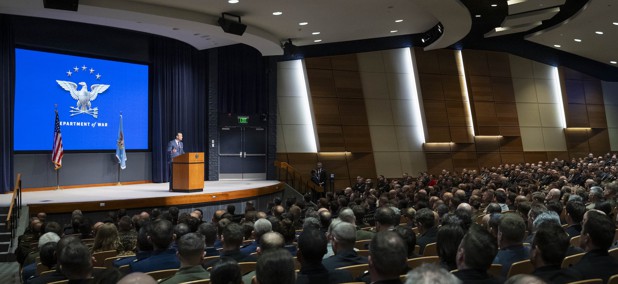
The military needs strategic thinkers, not just operators
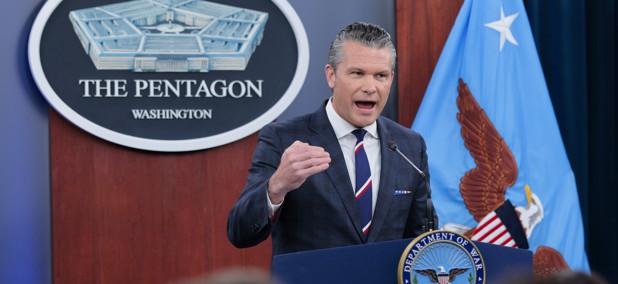
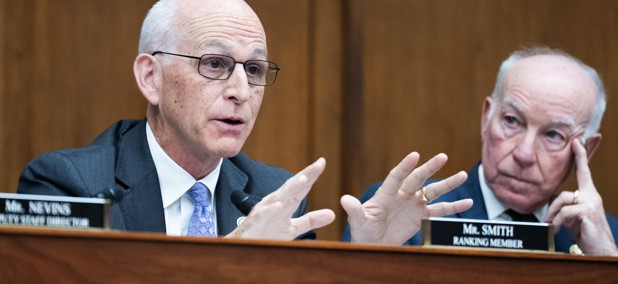
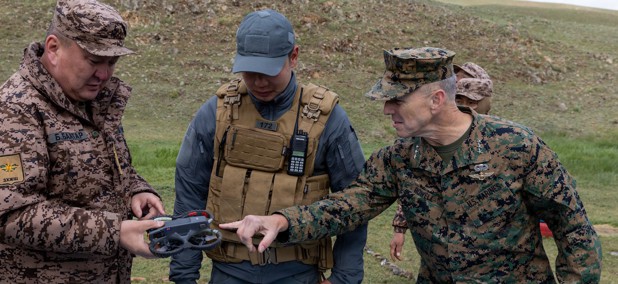
Secretary Hegseth's "reforms" miss the purpose of military education: learning to deter conflict and translate military power into enduring political advantage.

Stay informed.
Stay one step ahead.
Locations are reviewed, not inferred. Time windows apply to the live feed. Browse older entries in the archive Follow topics and manage your digest
Secretary Hegseth's "reforms" miss the purpose of military education: learning to deter conflict and translate military power into enduring political advantage.
Signed in August by Marco Rubio and Pete Hegseth, the agreement sets up a small group of people to govern and profit from it.
Hegseth’s proposed changes hinge on getting support from Congress.
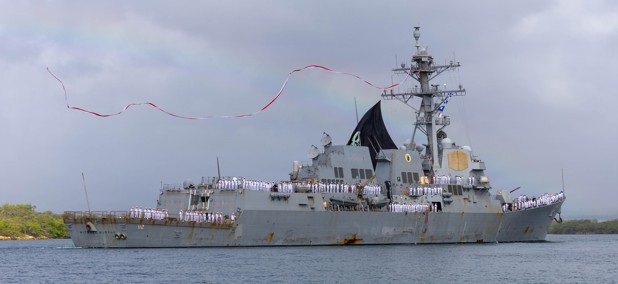
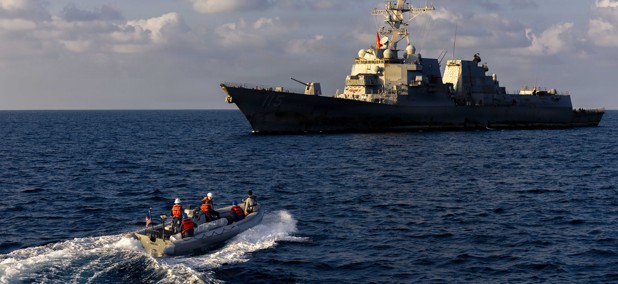
The Michael Murphy left Hawaii last December. Navy officials say this will be the norm for some time.
Surveys for the plant were funded by a UAE company steered by a Russian natural-gas giant under U.S. sanction.
Given 24 hours to name candidates, Democrats decry efforts to "ram through another Trump crony."
The U.S. military and its NATO allies are rethinking how they buy, build, and train in the age of autonomy and AI.
Pulling them out would save almost nothing while handing Moscow a cheap strategic win.
Guidance to agency staff outlines what senior officials need to know about major risks, national preparedness and CISA’s ability to respond, using terminology familiar in military and intelligence planning.
The defense secretary called his potential removal an attack on his “success.”
If confirmed, the cybersecurity executive would take over an agency rebuilding after workforce cuts and nearly 22 months without a permanent director.
How the United States and NATO are bringing robotics to the front line of combat.
With a new Congress in 2027, companies could see more anti-corruption probes.
A reconciliation bill is likely off the table, and the presumed HASC chair is talking about a $1-trillion cap.
Several government oversight reports have found costly operational errors as agencies implemented administration directives.
“The Chinese Communist Party doesn’t want rogue AI agents hacking their systems and their water authorities any more than we do,” Rep. James Walkinshaw, D-Va., said Thursday.
“It’s really a big problem. It’s a problem for credibility. It’s a problem for our allies in the Far East,” one expert said.
The warning follows Nextgov/FCW reporting that officials suspect Iran-linked hackers were behind freezer failures at military commissaries.
With the average amphib sidelined more than half the time, the services have drawn up a plan to add 9 more instead.
House Democrats will investigate the administration's cyberdefense cuts, while Senate Dems will control confirmation hearings for the officials who lead the nation’s security agencies.
Efforts like Autonomous Warfare Command, the Golden Fleet, and more could crumble without funding.
Defense agencies have just five years to comply with Executive Order 14412. The work starts with spreading awareness.
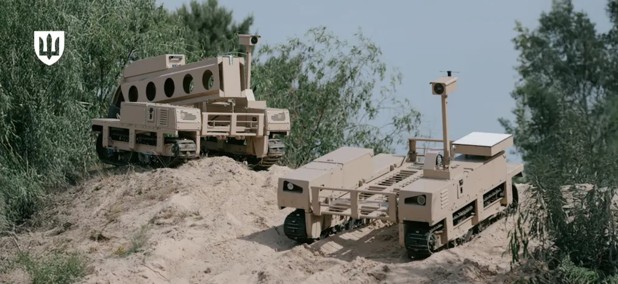
But many U.S. UGVs are more complicated than the attritable ones that Kyiv is buying.
Banks, utilities, and other industries are asking lawmakers to extend liability protections through 2035.
Tehran is also suspected to have backed recent attacks on U.S. water-treatment equipment.
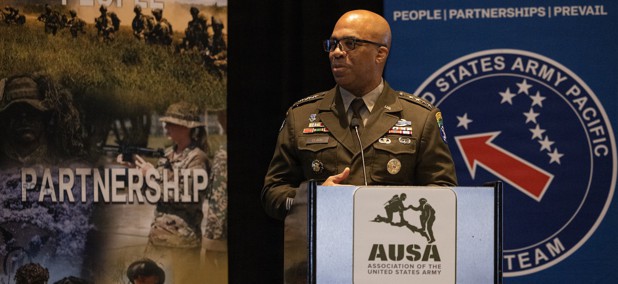
“The old ways of connecting with partners are simply no longer sufficient,” says INDOPACOM deputy commander.
This month’s Useful Fiction story explores how Army infantry, armor, and robotic systems might fight together.
After food spoiled at commissaries, Pentagon investigators are looking at similar incidents in France.
The 101st Combat Aviation Brigade is testing the NeuroTrainer as a possible readiness tool for their aviators.
Two startups are equipping small wheeled robots with a GPS-free nav package.

US allies aren’t happy: “We naturally insist that it works if we're paying for it."
Diego Garcia is the only safe place for ships fighting Iran, but the remote atoll can’t provide the maintenance they need.
Helping a European neighbor remains politically popular, but rearming amid economic stress leaves less money to give.
The service’s last train-advise-assist unit is working to counter Chinese influence in the Indo-Pacific theater.

Recent exercises suggest the service and its foreign partners are moving closer to a single-screen data system.
The framework from Americans for Responsible Innovation would give Washington a closer look at AI’s role in developing new models as Jay Clayton’s task force shapes the government’s relationship with developers.
The money to start AUTOWARCOM is to come from a reconciliation bill whose passage is in doubt.
The U.S. Navy dramatically upped its use of pilot tech programs, shuttered old technology systems and moved into the modern tech arena—and it is sharing its lessons learned from along the way.