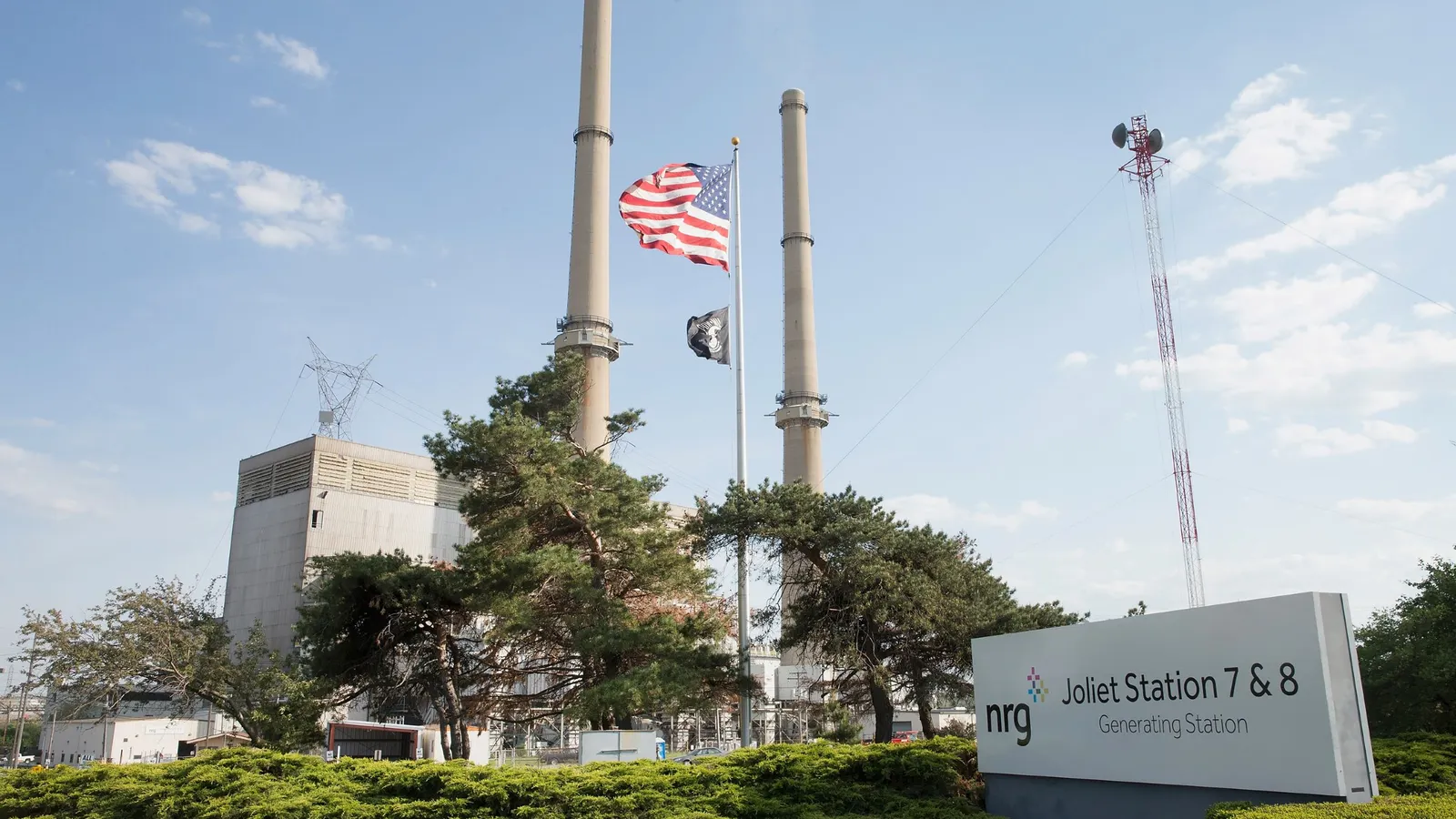
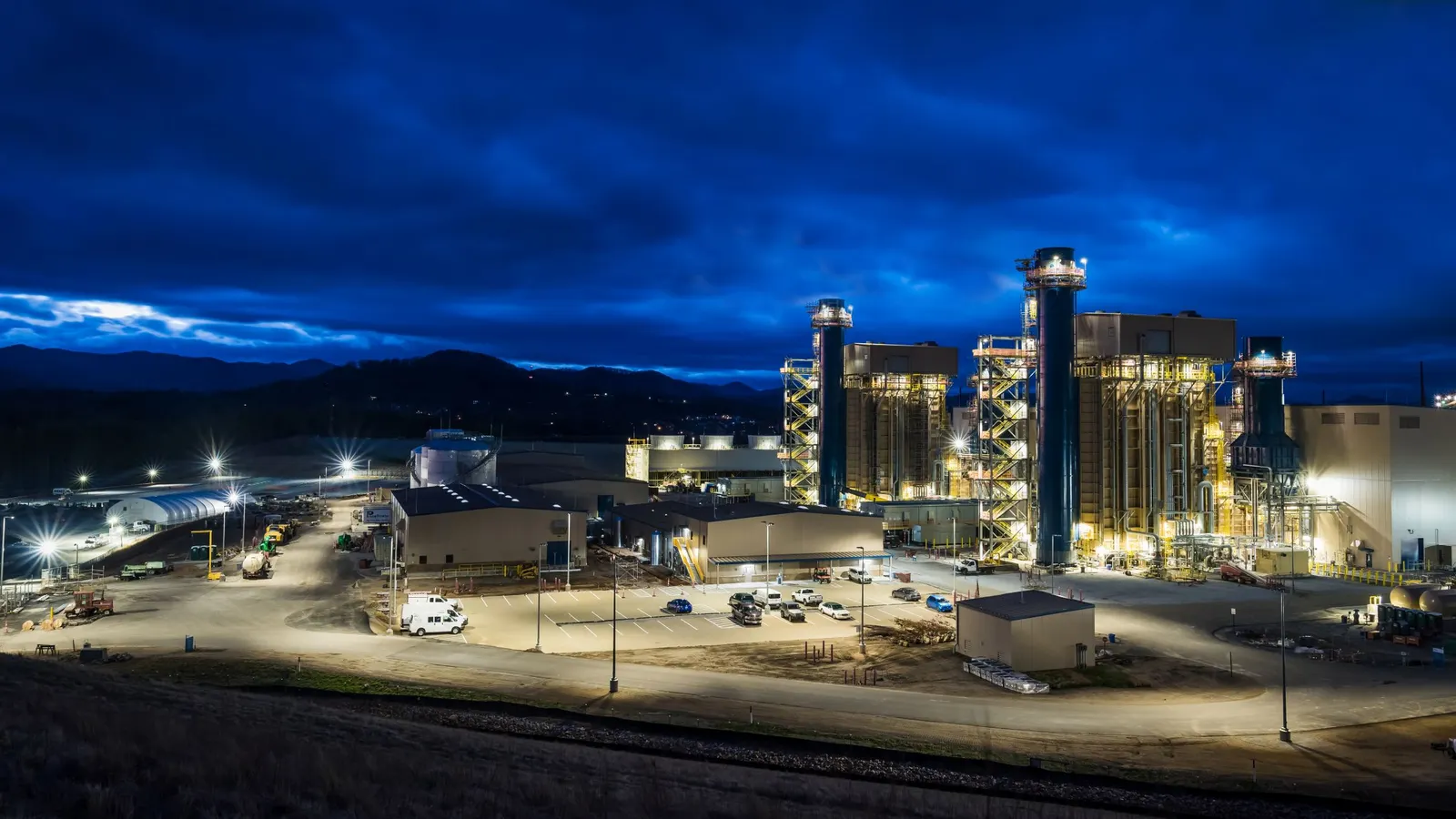
NRG Energy CEO Robert Gaudette said the sale values one 1.2-GW Texas gas plant at $1,400/kW, while NRG is “developing 1.5 GW of new natural gas generation in Texas” for just above $1,000/kW.
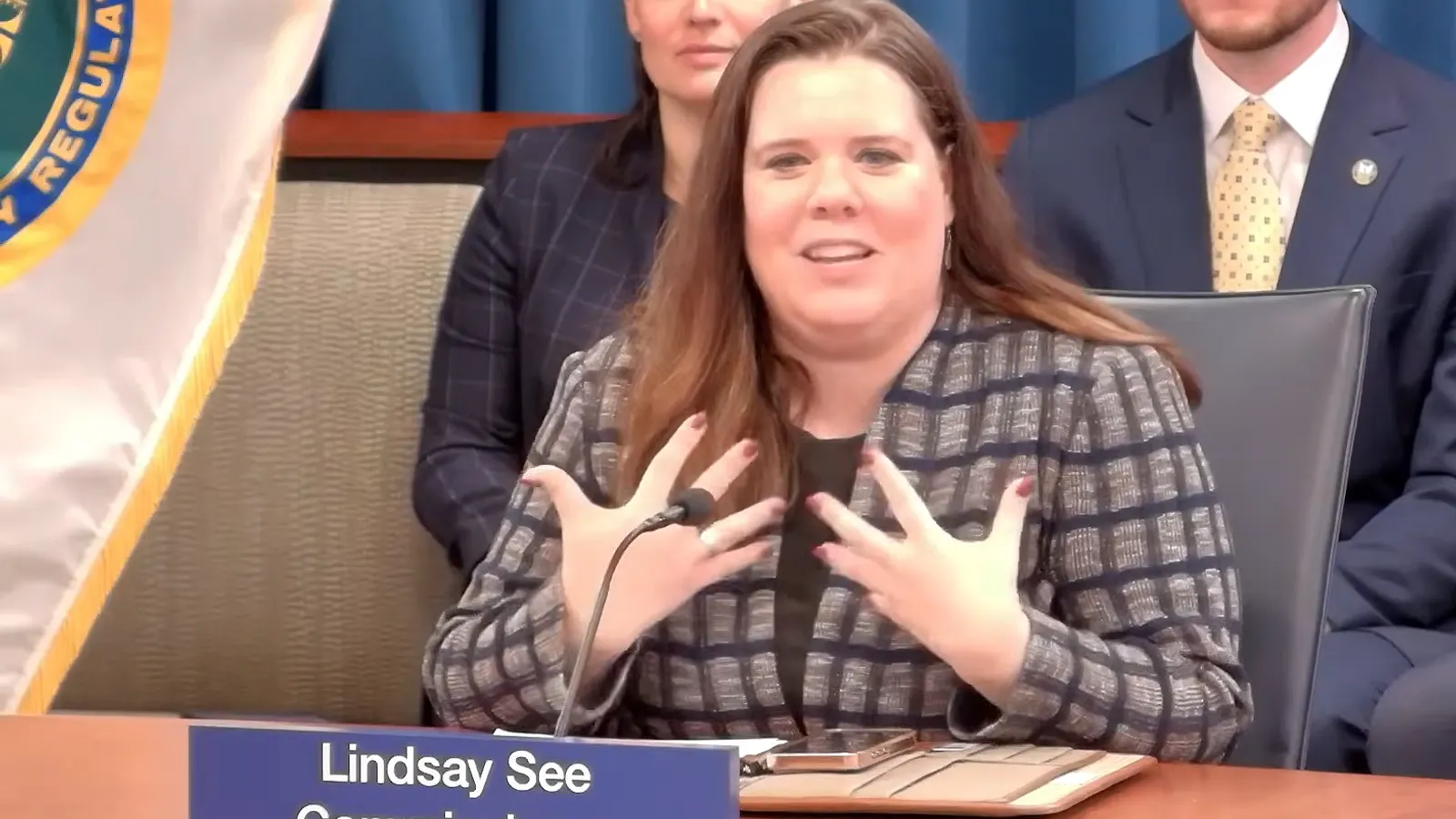
FERC’s Lindsay See on federal permitting reform: “I'm a former litigator. I lived in the trenches here. I think one of the biggest drivers in terms of cost and extra time is uncertainty in legal statutes.”
Specialized AI models and grid-enhancing technologies could help, but the industry already has the basic planning and tools to make the grid more flexible, panelists said at the BNEF Houston Summit.
The Ninth Circuit Court of Appeals allowed scope 1 and scope 2 emissions reporting under SB 253 to move forward while halting the enforcement of scope 3 reporting and SB 261.
The electric power sector could install more than 26 GW of battery storage next year, helping support a renewable resource base that is expected to supply almost a quarter of 2027 consumption, EIA said.
The company says reforms would boost renewables and help it achieve resource adequacy and environmental compliance targets. It has also asked regulators to expand distribution and transmission-connected storage options.
Assistant Secretary of Defense Dale Marks told a federal court that the Pentagon doesn’t have enough staff to review permits. A coalition suing DOD says the process ground “to a halt” after Marks was confirmed.
When sales increase more than costs, rates should decline. But some utilities are using lower historical sales data with updated cost assumptions to try and “lock in” higher rates, writes Edward Burgess of Current Energy Group.
The offering gives Constellation “a new way to pair the existing fleet with incremental capacity” by adding batteries, generation and demand response, CEO Joe Dominguez said.
Utilities that redesign demand response and virtual power plant programs around how customers actually behave will be the ones to boost participation and system flexibility, writes Uplight’s Gisela Glandt.
The October order also directed PG&E, SCE and SDG&E to “more explicitly” consider flexible demand, a move one regulator said could reduce interconnection delays.
“The only way we're going to get out of the affordability mess is by building more things,” said David LaCerte, a commissioner at the agency.
Last week’s election results demand community-friendly data centers. Overlooking the role of diesel backup could create more pollution and noise for residents, write experts from Inlyte Energy.
While local projects are fairly easy to trace back to a specific data center, regional system upgrades raise more complex questions about who benefits and cost allocation across jurisdictions, one expert told Utility Dive.
“Filing rate cases right now is really painful,” Joseph Sullivan told Utility Dive in an interview where he also discussed his concerns with overly complex data center cost allocation and an erosion of public trust in institutions.
“We have been talking for years that growth must pay for growth, and I think customers are asking for proof [of that],” Lea Márquez Peterson told Utility Dive on the sidelines of NARUC’s annual meeting in San Juan, Puerto Rico.
Behind-the-meter (BTM) power is becoming an effective solution to bridge the gap between what the grid can provide and what data centers need to operate smoothly.
The company’s large-load pipeline of 15.4 GW has remained virtually unchanged since the first quarter of 2026 as it pursues a $103 billion spending plan heavily focused on new natural gas generation.
“It's too soon to tell exactly” how the results of the midterm elections will impact Oncor, said CEO Allen Nye. “We continue to believe that both parties want a strong and growing Texas.”
Projects that make their demand more predictable, controllable and financially secure should have a clearer path to service, writes Seyed Madaeni, CEO and co-founder of Verse.
Eversource Energy’s third-quarter income fell 22% year over year to $346 million, partly driven by a lack of income from Aquarion, a water utility subsidiary the company sold in June.
After the $3 billion sale of DTE Vantage, DTE “becomes a higher growth premium utility” and “a simpler business,” CEO Joi Harris told analysts Thursday. The company is also anticipating a push in the state legislature for multi-year rate making.
The electrical equipment multinational says it’s poised to capitalize on the trend by investing in solid-state transformers. But the “timing of that transition is not under our control,” said CEO Paulo Ruiz.
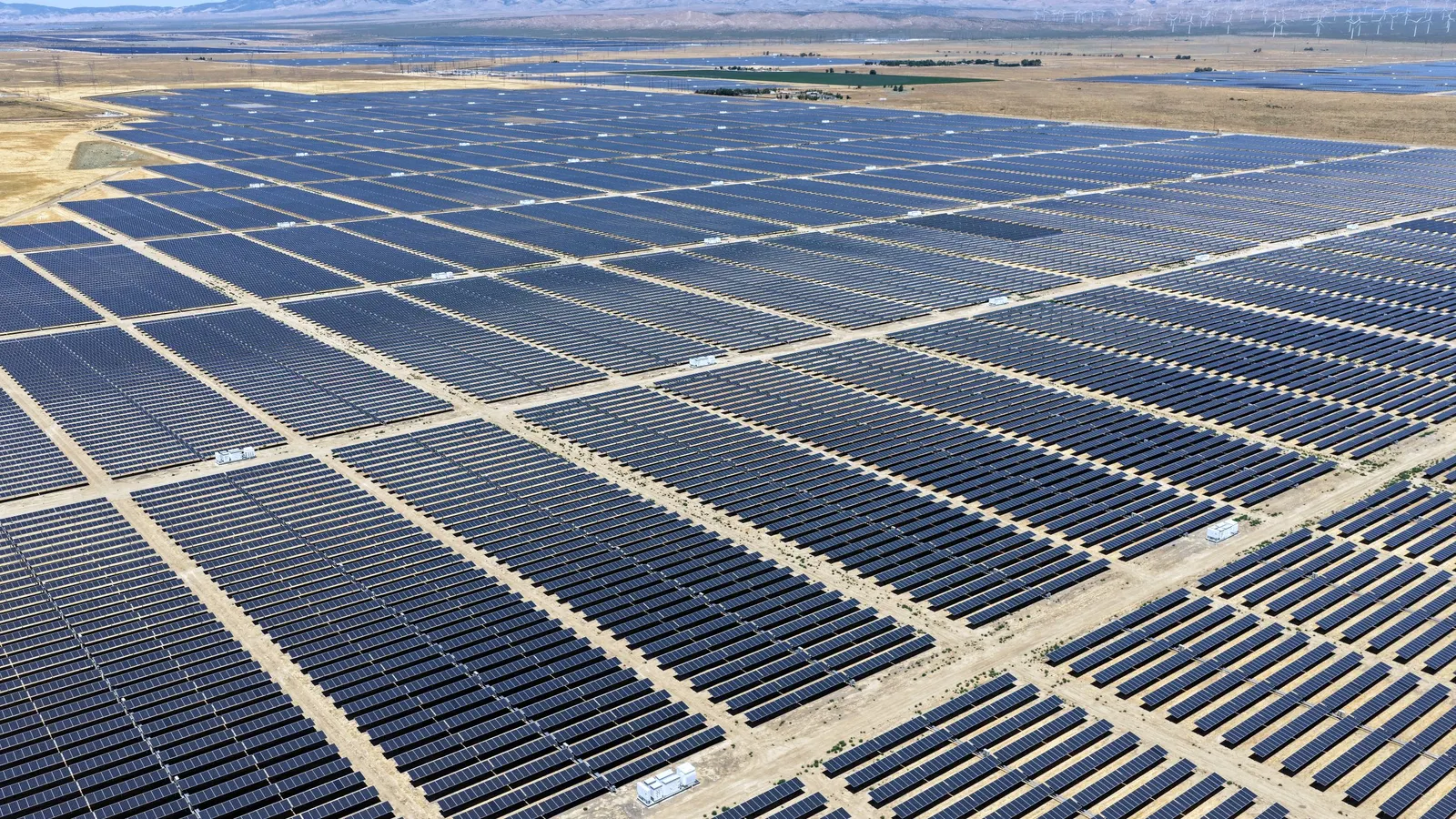
The share of solar projects co-located with storage is projected to pass 30% over the next two years, based on planned additions, according to a report from the U.S. Energy Information Administration.
The New Orleans-based company separately inked firm pipeline contracts for enough natural gas to support 10 new combined-cycle power plants in Louisiana, CEO Drew Marsh said Monday.
Exelon asked the Federal Energy Regulatory Commission to order PJM to adopt a “prompt” capacity auction, while Invenergy wants the Midcontinent grid operator to let HVDC merchant lines receive capacity payments.
Arizona Public Service expects peak demand will grow about 3.4% annually over the next 15 years, driven by industry and data centers, the utility said in an integrated resource plan filed Friday with regulators.
Stakeholders applauded the order’s intent to secure the grid, but said restrictions based on geography, rather than function and capability, miss the point and threaten investment.
CISA 2015, as the law is often called, provides liability protections for companies sharing cyber threat indicators amongst themselves and with federal agencies. It is set to expire next month.
Targeted changes can minimize the most negative consequences of the permitting bill’s overreaching provisions, writes former FERC Chairman Mark Christie.
The Energy Department’s Battery Manufacturing Accelerator aims to plug gaps in domestic material and component supplies over the next few years as U.S. battery demand looks set to quadruple.
“History shows us that energy crises create policy openings, and we think the conditions are probably in place for a window of policymaking,” Hasan Nazar, head of policy at Crux, told Utility Dive.
But one of the units at the Salem plant in New Jersey, which is jointly owned with Constellation Energy, faces an extended outage to deal with degraded equipment, according to federal filings.
The planned procurement could be for as little as 630 MW, down from an initial 6,800-MW target, after utilities in the PJM Interconnection’s footprint lowered their large-load forecasts, Jefferies analysts said.
In August, the Japanese conglomerate said it would spend $1.4 billion to buy PCI Energy Solutions, whose platform manages about 60% of U.S. power generation.